Kinkymation: Understanding the Rise of Adult-Themed Digital Animation
Digital animation has expanded far beyond traditional cartoons and blockbuster films. In recent years, the internet has allowed creators to explore niche styles, experimental storytelling, and communities built around specific visual aesthetics. One term that occasionally appears in online discussions about independent animation is kinkymation. Although not widely known in mainstream media, it represents a subculture within digital animation communities where adult-oriented artistic expression and animation techniques intersect.
The growing accessibility of animation software, game engines, and online distribution platforms has made it easier for independent artists to produce content and share it with global audiences. As a result, new styles, genres, and creative movements have emerged across forums, social platforms, and creator marketplaces. Within this landscape, kinkymation has become a topic of curiosity for many people interested in the evolution of internet animation culture.
This article provides a detailed, educational overview of the concept, its creative background, the tools used by animators, community trends, and how adult-themed animation has developed alongside modern digital art. The goal is to understand the broader artistic and technological context rather than focus on explicit content.
The Evolution of Digital Animation Communities
From Traditional Animation to Internet Culture
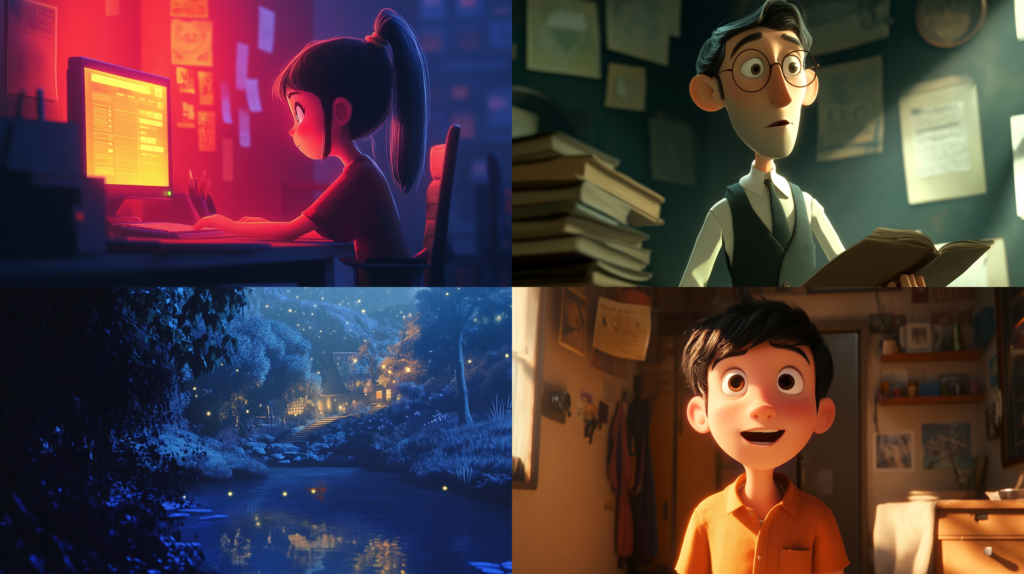
Animation has a long history, beginning with hand-drawn frames in early cinema and evolving into the complex digital productions we see today. Studios such as Walt Disney Animation Studios and Pixar revolutionized storytelling through animated films that appealed to global audiences.
However, the rise of the internet transformed animation even further. Independent creators gained the ability to publish their work without relying on traditional studios. Websites, forums, and video platforms became places where artists could share experiments, collaborate, and receive feedback from communities around the world.
This new environment encouraged the development of niche genres that might not have existed in mainstream animation. As animation tools became more accessible, artists began experimenting with different themes, artistic styles, and storytelling formats.
Online Platforms and Creative Freedom
Digital distribution platforms have played a major role in shaping modern animation culture. Platforms like YouTube and Patreon allow creators to monetize and share their projects with dedicated audiences.
These platforms removed many traditional barriers to entry. An individual artist with a computer and animation software can now create and publish animated content without a large production team. As a result, animation communities have become incredibly diverse, ranging from comedy sketches and educational videos to experimental art and adult-themed storytelling.
This broader creative freedom has allowed niche categories, including kinkymation, to develop within online animation circles.
What Is Kinkymation?
Definition and Basic Concept
Kinkymation is a term sometimes used online to describe a style of animated content that blends adult-themed concepts with digital animation techniques. Rather than representing a single defined genre, it is more accurately understood as a niche within internet animation communities where artists explore mature topics through animated storytelling or visual art.
The concept often overlaps with other animation trends such as fan animation, game-engine animation, and independent digital art. Some creators focus primarily on character design, while others experiment with storytelling, physics simulations, and interactive animation tools.
Because the internet hosts a wide variety of communities and creative expressions, the meaning and scope of kinkymation can vary depending on the platform and the creators involved.
Artistic Exploration and Expression
Animation has always been a powerful medium for exploring ideas, emotions, and artistic styles. Unlike live-action production, animation allows artists to design entire worlds, characters, and movements from scratch.
Within niche animation communities, artists often use this freedom to experiment with character design, exaggerated motion, stylized environments, and imaginative storytelling. The goal is usually to push creative boundaries and develop unique visual experiences.
For many artists, these experimental spaces function as laboratories for animation techniques where they can test new tools, rendering methods, and character-animation workflows.
Tools and Technology Used by Independent Animators
3D Animation Software
Modern independent animation relies heavily on accessible software tools that allow artists to create complex scenes from their personal computers. One of the most widely used programs is Blender, an open-source platform capable of modeling, animation, rendering, and visual effects.
Blender has become extremely popular among independent creators because it is free and constantly updated by a global community of developers. Many animators use it to design characters, simulate physics, and render high-quality scenes without needing expensive studio equipment.
Other professional tools such as Autodesk Maya are also used by experienced animators who want advanced features and industry-level workflows.
Game Engines for Animation
Game engines have also become powerful tools for animation production. Programs like Unity and Unreal Engine allow creators to animate characters in real time.
These engines were originally designed for video game development, but their powerful rendering capabilities make them useful for animation projects as well. Artists can animate characters, simulate environments, and produce cinematic scenes using real-time lighting and physics.
The accessibility of these technologies has dramatically lowered the barrier to entry for independent animation creators.
Community Culture Around Independent Animation
Online Forums and Collaboration
Many animation communities thrive through online forums and creative collaboration spaces. Artists share their work, exchange feedback, and help each other learn new techniques.
These communities often encourage experimentation and support beginners who want to develop animation skills. Tutorials, resource libraries, and collaborative projects help new artists gain experience in character modeling, rigging, and motion design.
Through these interactions, creative movements and stylistic trends emerge over time.
Digital Art Communities
Digital art platforms have become central hubs for sharing animation projects. Artists upload previews, short clips, and visual experiments that allow audiences to see the evolution of their work.
Communities often focus on creative expression, artistic feedback, and technological innovation rather than traditional studio production methods. This environment encourages diverse artistic voices and independent storytelling styles.
The Role of Storytelling in Niche Animation
Character-Driven Narratives
Animation often revolves around memorable characters. Even in experimental projects, artists tend to build stories around character interactions, emotional journeys, or imaginative worlds.
Character-driven storytelling allows audiences to connect with animated figures in meaningful ways. Whether the project is comedic, dramatic, or experimental, strong character design remains one of the most important elements of successful animation.
Visual Style and Atmosphere
Another defining aspect of niche animation is visual identity. Artists experiment with color palettes, lighting, camera angles, and motion styles to create distinctive atmospheres.
Some projects resemble stylized cartoons, while others aim for realistic 3D rendering. The diversity of visual styles reflects the freedom that independent animation communities provide.
Challenges Facing Independent Animation Creators
Technical Complexity
Animation production requires significant technical knowledge. Artists must learn modeling, rigging, lighting, rendering, and editing before completing a polished project.
For independent creators, this can be challenging because they often work alone or with small teams. However, online tutorials and open-source communities have made it easier to learn these skills over time.
Time and Resource Limitations
High-quality animation takes time. Even short scenes can require hours of rendering and detailed adjustments to achieve realistic movement or expressive character performances.
Independent creators often balance animation projects with other professional or personal commitments, which can slow down production schedules.
The Future of Digital Animation Communities
Artificial Intelligence and Animation
Artificial intelligence is beginning to influence animation workflows. Tools powered by AI can help automate tasks such as motion capture cleanup, facial animation, and character rigging.
These technologies may allow independent creators to produce more sophisticated animations without needing large production teams.
Virtual Reality and Interactive Animation
Virtual reality is also opening new possibilities for animated storytelling. Instead of watching a scene on a screen, audiences can explore immersive digital worlds where characters and environments respond to user movement.
This shift could transform how animation is experienced, turning it from passive viewing into interactive storytelling.
Frequently Asked Questions (FAQs)
What does the term kinkymation refer to?
The term generally refers to a niche within internet animation communities where artists experiment with mature themes using digital animation tools.
Is it part of mainstream animation?
No, it is considered a niche internet subculture rather than a mainstream animation category.
What tools are commonly used for independent animation?
Popular tools include Blender, Maya, Unity, and Unreal Engine, all of which allow artists to create animated characters and scenes.
Why has independent animation grown so quickly?
Accessible software, powerful computers, and online platforms have made it easier for creators to produce and distribute animation without traditional studios.
Can beginners learn animation on their own?
Yes. Many artists learn through online tutorials, community forums, and practice projects that gradually build technical skills.
Conclusion
Digital animation has evolved dramatically over the past two decades. The internet has transformed how artists create, share, and collaborate on animated projects. Independent creators now have access to powerful tools and global audiences, enabling them to explore unique artistic ideas and niche genres.
Within this diverse creative landscape, kinkymation represents one example of how online communities experiment with new forms of animation and storytelling. While it remains a specialized area within digital art culture, it reflects the broader trend of independent creators pushing the boundaries of technology and creative expression.
As animation tools continue to improve and new technologies such as artificial intelligence and virtual reality emerge, independent animation communities will likely continue expanding. These communities provide opportunities for artists to learn, innovate, and share their creative visions with audiences around the world.
Ultimately, the future of animation will be shaped not only by major studios but also by independent creators exploring new ideas and pushing digital art in unexpected directions.